Benefits of Earthing: What Research and Users Say

You may have heard that getting back in contact with nature can be good for you. You might have even felt more relaxed after sitting on the lawn or taking an ocean swim. But is this just a nice feeling brought on by taking some time to chill outdoors, or is there something more going on?
Grounding (or earthing) is a genuine phenomenon involving direct physical contact with the ground to reset your body's electrical balance.
If that sounds interesting, in this article we look at the potential benefits of earthing that researchers have explored and that users report. These include better sleep, less stress, and reduced aches and inflammation. Research is still at an early stage, so we've tried to be clear about what is known and what isn't.
What Are the Benefits of Earthing for the Human Body?
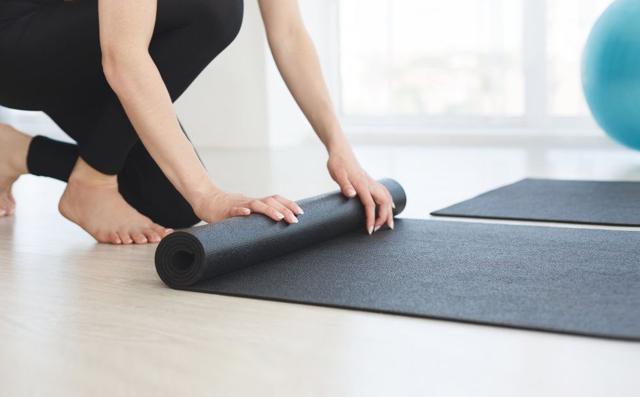
You can try the benefits of grounding outdoors by walking barefoot, resting on the ground, immersing yourself in a river or the sea, or anything that puts you in contact with the earth. Or you can ground yourself indoors using specific equipment like an earthing pad, working out on an earthed yoga mat or sleeping on grounding sheets.
Whichever techniques you try, you'll allow free electrons and unnatural static electricity built-up to be discharged to rebalance your body with the earth and its natural negative electric charge.
Earthing itself doesn't sound that tricky, but you'll want to know about the positive effects you may expect to fit a walk around outside with bare feet into your busy schedule. Fortunately, there are plenty of grounding benefits that can make a massive difference to your health and wellbeing.
Inflammation
The first potential benefit may be the one from which many others originate. Inflammation is the body's natural response to environmental irritation, physical damage, pathogens or stress, and ongoing inflammation is linked to many long-term health problems.
Several small studies have looked at whether grounding influences markers of inflammation, with some encouraging early results. Larger, independent trials are still needed before firm conclusions can be drawn.
One theory is that earthing allows the body to take up free electrons from the Earth's surface, which some researchers suggest may act as natural antioxidants. This idea is still being investigated.
Some small studies have measured blood markers before and after earthing and reported reductions in markers of inflammation. These findings are promising but preliminary.
Everyday Aches
Researchers have suggested that, if grounding does influence inflammation, it may help with everyday aches, swelling and soreness. In small studies, some participants who regularly used grounding mats reported less pain.
Body Clock and Circadian Rhythms
Circadian rhythms are our body's internal clocks. They coordinate our normal physiological processes, including sleep, wakefulness, immune function, and digestion.
Some people believe earthing may help reset body clocks that have been disrupted by modern lifestyles. Healthy circadian rhythms are linked to a normal daily pattern of the stress hormone cortisol.
Sleep
In small studies, people sleeping on grounding sheets have reported better sleep quality and duration and waking feeling more refreshed. One study also reported changes in night-time cortisol patterns, and participants described fewer sleep disturbances.
Morning Tiredness
In one small study, participants who slept grounded for four weeks reported feeling less groggy in the morning and having more energy during the day.
Support Relaxation and Lower Stress
Some small studies suggest that even relatively short grounding sessions may help people feel calmer and less stressed.
Normalising cortisol levels by earthing is connected to a lower feeling of stress by decreasing inflammation and controlling blood sugar levels. Correcting the body's electrical balance with the earth can restore a more natural parasympathetic state for anyone whose nervous system is in the so-called "fight or flight" state.
Mood
Participants in one study also reported improvements in mood, with positive mindsets noticed more with consistent practice.
Heart Rate Variability and Circulation
A small number of studies have looked at grounding and blood pressure, with some reporting modest changes. The evidence is limited, and grounding should never replace advice or medication from your doctor.
Some studies have reported favourable changes in heart rate variability (a measure associated with a relaxed, balanced nervous system) while participants were grounded.
Blood Flow
Researchers have also looked at circulation. In one study using laser imaging, participants showed increased facial blood flow after around half an hour of grounding.
One small study suggested grounding may affect the surface charge of red blood cells, which the authors linked to blood viscosity. This has not yet been confirmed by larger studies.
The Body's Natural Defences
Some researchers have suggested that, by influencing inflammation, grounding might help the body's natural defences work more efficiently. This remains a theory that needs more research.
Muscle Soreness After Exercise (DOMS)
A small study found that participants who were grounded after unfamiliar exercise reported less muscle soreness, and blood tests showed changes in some markers linked to muscle damage. Larger studies are needed to confirm this.
Healthy Habits
Sleep and stress both affect our wider health and habits, including appetite. Poor sleep, for example, is linked to increased hunger and cravings.
There is no evidence that grounding causes weight loss. But if a relaxing grounding routine helps you sleep better, that may support other healthy habits.
Recovery
A handful of case reports and small studies have explored grounding and recovery after injury or exercise. Results are interesting but very preliminary, and any wound or injury should be looked after by a healthcare professional.
Focus and Calm
Many people say they feel clearer-headed and calmer after a grounding session, especially when combined with time outdoors.
Researchers have also observed changes in the electrical activity of the brain and muscles shortly after subjects started earthing, which may help explain why many people say they feel calmer when grounded.
Overall Wellbeing
It's common for people to report feeling more centred, less tense, and generally more positive when they start a committed practice.
Even if you don't suffer from any chronic illness, it's a good idea to keep a journal where you start to record any positive effects and changes you feel. You may be very pleasantly surprised by the benefits of grounding!
Try Earthing for Your Well-Being
There are numerous human health benefits of earthing, and they're reaching broad acceptance in alternative and complementary medicine. The lucky thing is that all it takes to experience these is to sit in direct contact with the soil outdoors or use an indoor grounding system for 30 minutes or more each day.
Many people who practise earthing report positive effects on their wellbeing and quality of life. While research is still developing, grounding is a simple, low-cost practice that many find relaxing.
Additional Resources
Grounding products are not medical devices and are not intended to diagnose, treat, cure or prevent any disease. Information on this site is for general interest only. Always consult your GP or a qualified health professional about any medical condition, particularly if you have a pacemaker, are pregnant or take blood-thinning medication.