The Science of Grounding: Its Benefits and Techniques

Grounding, also called earthing, refers to a therapeutic technique that connects your body to the earth’s electrical properties with the intention of improving overall health and wellness. Researchers are exploring a range of possible effects, though the evidence is still limited. Some believe that grounding is the most important health discovery of recent times. While this may sound a bit new-age, earthing science provides some clarity on the subject, and we still have a lot to discover about it in general. Learn more about the science of grounding, its potential benefits, and how to start including this practice in your everyday life.
Keep in mind that the grounding we discuss in this article is not the same as when the term is used in mindfulness practices or yoga.
Grounding AKA Earthing Practices Explained
The practice of earthing includes connecting the human body to the earth’s electrical charge. It is a simple technique that can be done with or without additional equipment. All you need is time and patience.
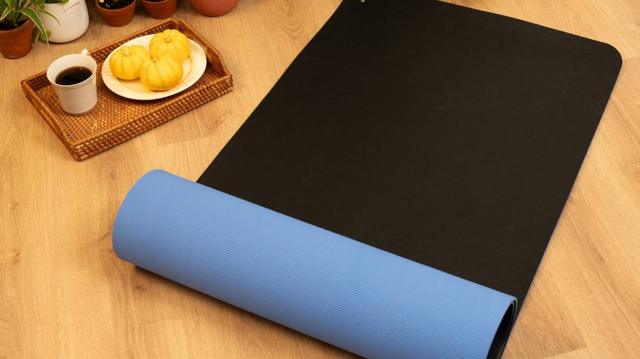
This can be achieved outside through direct physical contact or inside through earthing devices like grounding mats or sheets. Establishing contact with the earth’s surface can produce calm and a reconnection with the planet.
What Are the Advantages of Grounding?
Aside from a connection to nature, grounding affects your body in several ways. It may be able to improve your health and well-being mentally, physically, and emotionally. Combining the effects can also lead to a better quality of life overall.
Research Thus Far Suggests Benefits, Including:
- Higher energy levels and less fatigue
- Better sleep quality
- Chronic pain reduction
- Changes in blood pressure (in small studies)
- Relief from chronic inflammation
- Faster recovery from post-exercise muscle damage
- Mood improvement and stress reduction
- Support for heart health
Grounding Physics and Science
What Is the Science of Grounding?
The science behind earthing and grounding states that it affects a living matrix shared between the body, all living cells, and the planet.
Earth's surface carries a supply of negatively charged free electrons, and grounding connects your body to it. Supporters believe this may help the body feel more balanced, and researchers are investigating possible effects on aches, circulation and wellbeing.
Grounding and Human Physiology
For now, there are very few scientific studies that pertain to earthing and its outcomes. Further research is needed to establish empirical evidence regarding the effects of grounding on the human body. However, circumstantial evidence and the small batch of available studies imply many potential positive side effects can result from consistently practising earthing techniques. Some benefits are mental and others physical.
Fatigue and Aches
A trial conducted in 2019 explored how massage therapists were affected by the use of grounding mats. Overall, they experienced improved physical functioning and elevated moods. A decrease in pain, fatigue and poor spirits was also noted. Whether chronic or occasional, we all experience pain and fatigue and earthing could help.
Inflammation and Circulation
A 2020 review discussed research suggesting earthing may have anti-inflammatory effects, including infrared imaging studies. The review suggested grounding might influence signs of inflammation after injury, such as heat, redness, pain and swelling. Most of the studies involved were small.
The same review cites research indicating that earthing increased blood flow to areas of the body like the face. Researchers have suggested this deserves further study.
Sleep
A small 2004 study examined how grounding during sleep affects the body. It reported that earthing while asleep was associated with changes in night-time cortisol levels, and participants reported better sleep.
The same research also indicates reduced pain and lower stress could result from grounding while you sleep. Some people believe this is the ideal time because it provides you with many consecutive hours of earthing without interruptions, as is likely with other products and methods. Sleep also gives you a long, uninterrupted period of contact.
Fast-Tracking Exercise Recovery
A study conducted in 2015 explored the effects of earthing patches and exercise recovery. It showed a significant change in repair and inflammatory blood markers. Simply put, grounding reduced muscle damage. It could potentially speed up recovery and lower soreness and pain associated with muscle damage. Pair these results with findings in the studies discussed above, and a pattern for decreased pain and faster repair starts to emerge.
When Should You Practice Grounding Techniques?
Grounding can be done whenever you feel pain, your moods are unbalanced, or you start experiencing the adverse side effects of the aforementioned ailments. You should conduct earthing techniques for several hours per day to get the best results. Consistent, uninterrupted practice helps keep your body balanced at all times so you can avoid experiencing adverse side effects if possible.
Be patient if you start incorporating earthing into your lifestyle and don’t notice a difference immediately. Like other treatments, it will likely take some time to achieve the full effect on your body’s system.
Where Can You Practice Earthing Techniques?
As mentioned, you can practise earthing outside and inside with help from a grounding mat or other device, whichever you prefer or are allowed.
Grounding exercises performed outside often offer the best results because they provide you with a direct connection to the earth’s surface. Regretfully, most people do not have time to get outdoors for several hours to lie down or walk without shoes.
Common Outdoor Methods:
- Swimming in a natural body of water
- Touching the ground with your hands
- Walking barefoot on the earth
- Lying on sand or grass
- Standing outside and touching your feet with your hands.
If you don’t have the luxury of going outside, grounding the human body can also be achieved inside. You can get a similar effect using earthing products that feature a connection cord and an adapter which plugs into a mains power outlet. They do not use electricity but instead connect to the grounding portion of your home’s electrical circuit. Some can also plug into a grounding wand when mains power is inaccessible.
Common Indoor Grounding Methods:
- Grounding patches
- Earthing sheets
- Earthing mats
- Grounding socks
- Grounding mouse pads
Grounding and You
Grounding or earthing techniques connect your body to the electrical conductivity of the earth. Results are still inconclusive, but early research suggests earthing may influence things like circulation, recovery and muscle soreness. More research is needed.
Now that you have explored grounding science and its potential benefits, will you start practising earthing methods? Try getting outside and directly connecting with the earth’s surface and energy. Or, you could purchase one of the many grounding systems available on the market. You might experience significant improvement in your overall health and well-being.
Let us know what you think in the comments below.
Additional Resources
Grounding products are not medical devices and are not intended to diagnose, treat, cure or prevent any disease. Information on this site is for general interest only. Always consult your GP or a qualified health professional about any medical condition, particularly if you have a pacemaker, are pregnant or take blood-thinning medication.